







🐞 How Bric-a-Brac began
Two people, one spare room, and a very long list of "we'll figure it out."
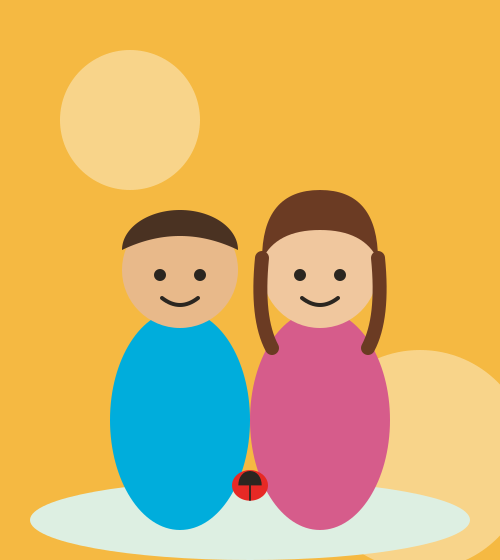
Before Bric-a-Brac had a name, it had a spare room, a secondhand rug, and two people who couldn't stop thinking about the children of Baabda who needed somewhere warm to spend their days. Rosy had spent years in early-childhood classrooms and kept coming home with the same thought: it could be gentler than this, and it could still be excellent. Roy had spent his career making numbers behave, and became convinced that "affordable" and "excellent" weren't actually opposites, just two goals nobody had tried hard enough to hold at once.
So they did the unglamorous work first. Roy mapped out, line by line, how a small nursery could pay real wages, buy real materials, and still be something a family in Baabda could afford, because a beautiful classroom that prices out the neighborhood isn't solving the problem, it's moving it. Rosy built the days around the children instead of the paperwork: fewer worksheets, more wonder; fewer rules recited, more habits lived.
"We didn't want to build the fanciest nursery in Lebanon. We wanted to build the one we'd trust with our own children, and then make sure every family in Baabda could actually walk through the door."
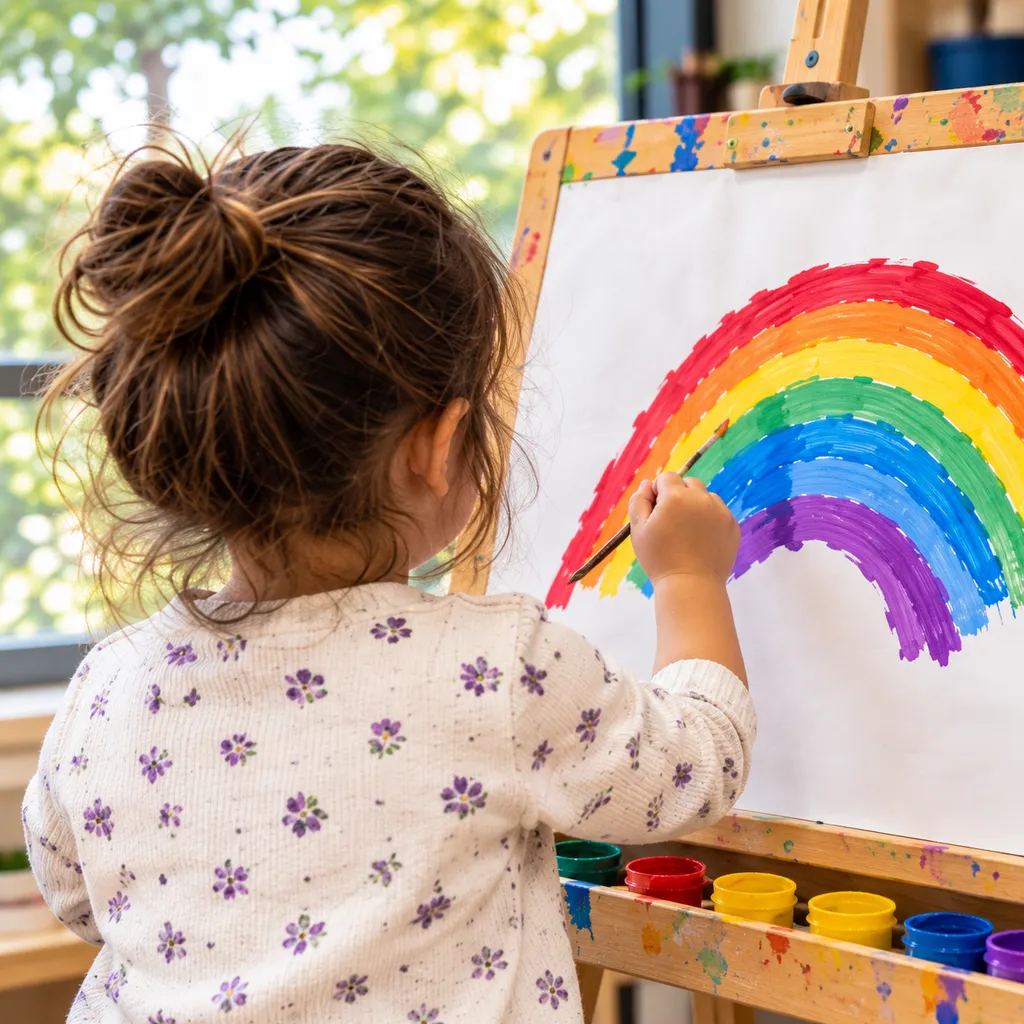
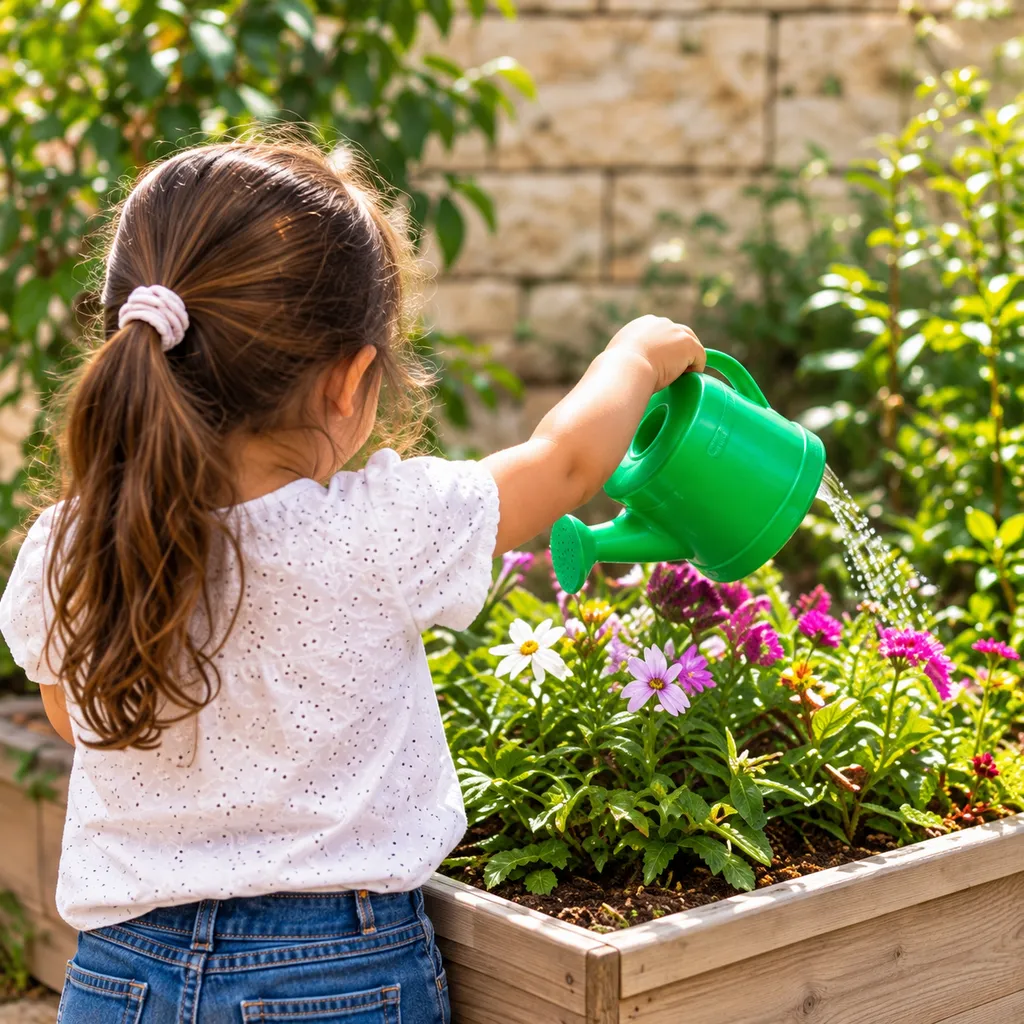
Years and a great many finger-paintings later, that spare room has become classrooms full of color, a garden full of small boots, and a waiting list full of families who found Bric-a-Brac the old-fashioned way: someone they trusted told them to come see for themselves. The name never changed. Neither did the promise behind it.